
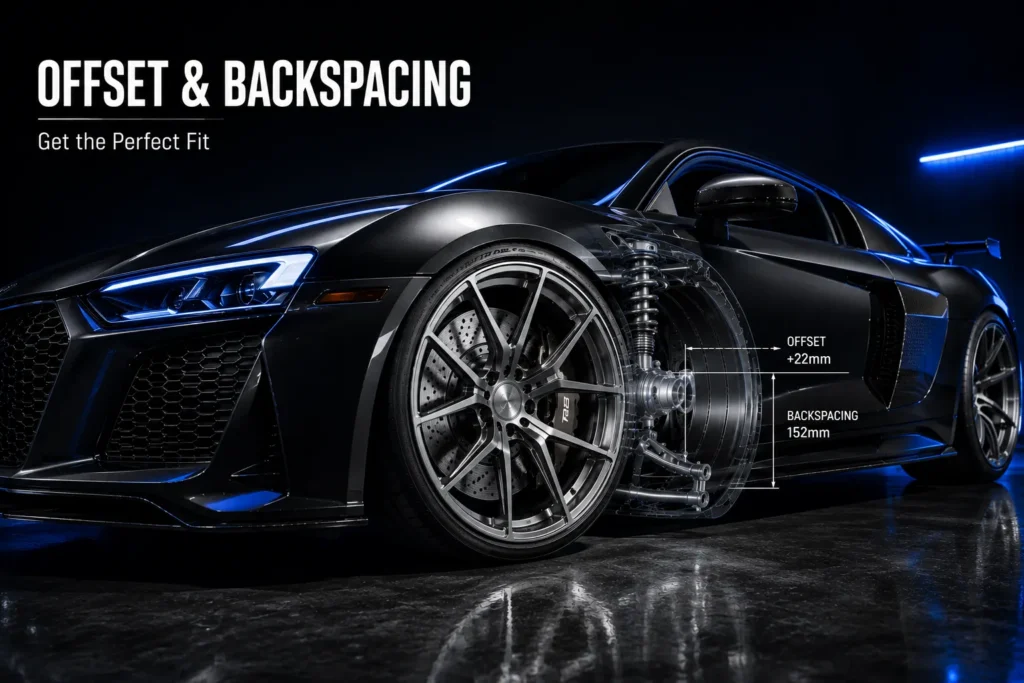
If you’ve ever seen a car with wheels that stick out too far, or ones that sit weirdly tucked in like they’re hiding inside the fender, you’ve seen offset and backspacing go wrong. These two numbers decide exactly where your wheel sits under the car, and getting them right is the difference between a build that looks and drives right, and one that rubs, wanders, or wears out parts early.
What Offset Actually Means
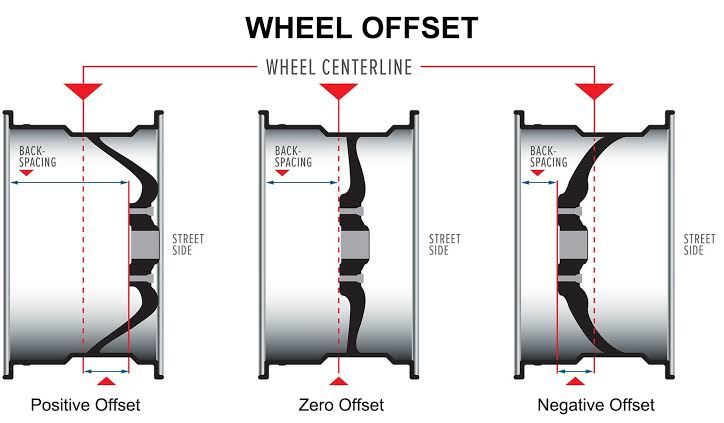
Offset is the distance between the wheel’s mounting surface, where it bolts onto the hub, and the wheel’s true centerline. It’s measured in millimeters, and it can be positive, zero, or negative.
Positive offset means the mounting surface sits closer to the outer face of the wheel, which tucks the wheel further in toward the suspension. Zero offset means the mounting surface lines up exactly with the centerline, splitting the wheel evenly. Negative offset pushes the mounting surface toward the inner edge, which shoves the wheel outward and gives the car a wider, more aggressive stance.
What Backspacing Actually Means
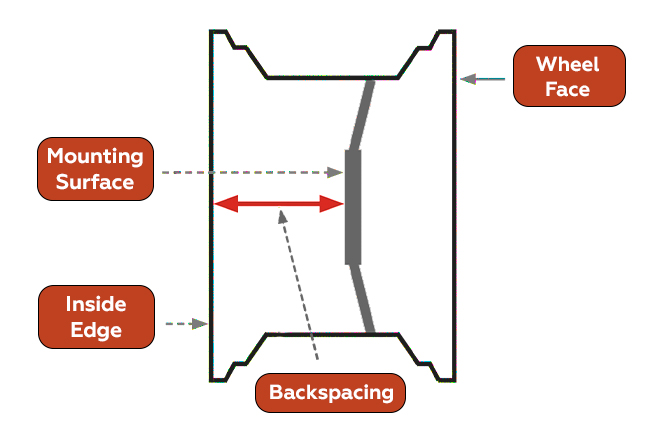
Backspacing measures something similar but from a different reference point. Instead of the centerline, it’s measured from the mounting surface to the inner edge of the wheel barrel, in inches rather than millimeters.
Here’s the appeal of backspacing: you don’t need any math to find it. Lay the wheel face down, place a straight edge across the back lip, and measure down to the mounting pad. That simplicity is exactly why backspacing stuck around for decades as the go-to reference, even after offset became the more common spec on manufacturer spec sheets.
How These Numbers Change Your Car’s Stance
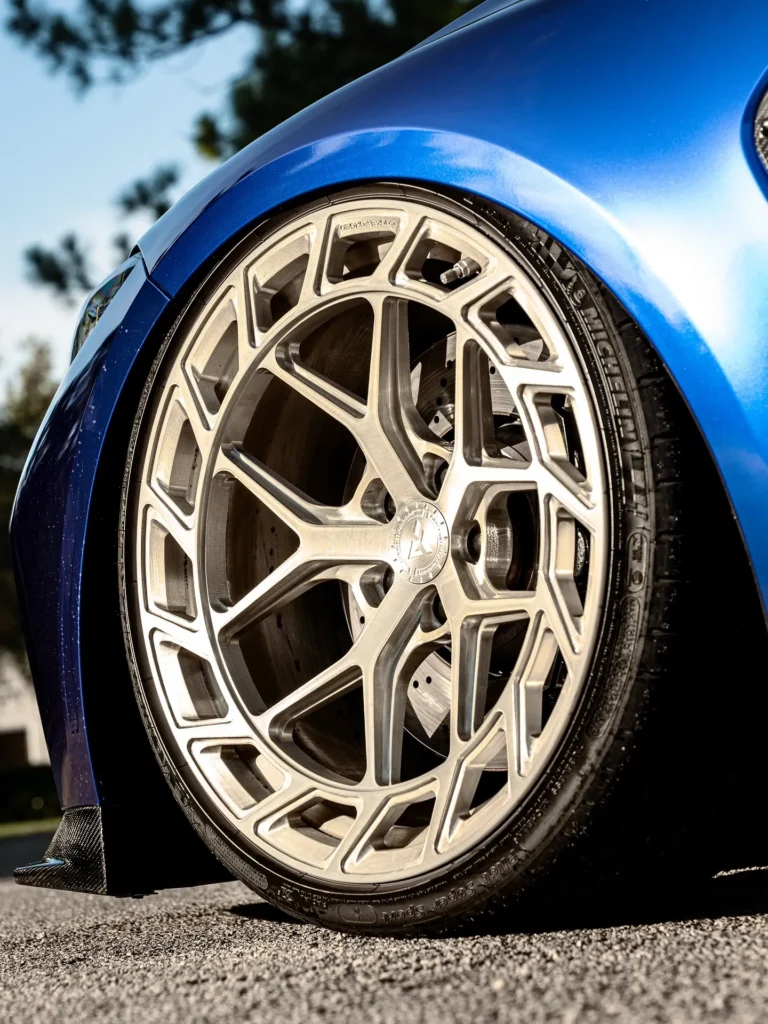
This is the part everyone actually cares about. Push the wheel outward with a more negative offset (or less backspacing) and you get that flush, wide, deep-dish look a lot of builds are going for. It widens your track, which can genuinely improve stability in cornering and on uneven surfaces.
But that aggressive stance comes with tradeoffs. Push too far and the tire starts catching the fender lip, which speeds up wheel bearing wear and can even limit your steering travel. On the flip side, too much positive offset tucks the wheel in so far it can contact the upper control arm, coilover, or brake caliper on the inside. Neither extreme is free, which is why “more negative equals better” is one of the most common wrong assumptions people make.
Why This Isn’t Just About Looks
It’s tempting to treat offset purely as a style choice, but it genuinely changes how the car drives. A wider track width from negative offset can sharpen cornering and stability, and it can open up room for wider tires and better traction in rougher conditions.
At the same time, shifting these numbers changes how hard your steering system has to work, especially at low speeds, and it can put extra load on suspension components that weren’t designed for it. Big brake kits are especially picky here, since they often need a specific offset just to give the caliper enough room to clear the wheel.
The Most Common Mistake
Ask around and you’ll hear the same story over and over: someone mixes up offset and backspacing, or eyeballs the numbers instead of measuring, and ends up with wheels that either rub against the suspension or poke out further than they ever intended. Even a small shift, sometimes just a few millimeters, can visibly change the stance and quietly change how the suspension is loaded. That’s why guessing here almost never ends well.
Getting It Right for Your Build
Before shopping for new wheels, start with your car’s factory offset and backspacing as a baseline. From there, decide what you’re actually chasing. A show-stopping flush fitment calls for a different setup than a build focused purely on cornering performance or off-road clearance. There’s no universal “correct” number, only the right number for your specific goals, tire size, and suspension setup.
The Bottom Line
Offset and backspacing aren’t just technical trivia buried in a spec sheet, they’re the numbers that decide whether your new wheels sit exactly right or cause problems the moment you turn a corner. Take the time to measure properly, understand what you’re trying to achieve, and match the spec to your car instead of guessing. Get it right, and your wheels will look as good as they drive.



"These rims completely changed the look of my car. The finish and detailing are top-notch, and you can instantly feel the difference in performance. Cooke Forged really delivers quality and precision."